Introduction
Taking care of your skin does not have to be complicated or expensive. If you are new to skincare, learning the right habits can help you keep your skin clean, comfortable, and healthy. You do not need dozens of products or a long beauty routine to care for your skin properly.
Many beginners feel confused when they see different skincare products, beauty trends, and advice on social media. Some people recommend using several serums, while others suggest natural remedies. However, every person’s skin is different, and a routine that works for one person may not work for another.
These tips for beginners will help you understand the basics of beauty and skincare, choose suitable products, and build a simple routine. Whether you have oily, dry, combination, or sensitive skin, you can start with a few simple steps and make changes as you learn what works for you.
The most important thing to remember is that healthy skin comes from consistent care, gentle products, sun protection, and patience.
1. Understand Your Skin Type
Before buying skincare products, you should understand your skin type. This is one of the most important tips for beginners because different skin types may need different products.
Oily Skin
Oily skin produces more sebum, which is the natural oil made by your skin. It may look shiny, especially around the forehead, nose, and chin.
Common signs include:
- A shiny appearance during the day.
- Enlarged or noticeable pores.
- Frequent blackheads or acne.
Skincare tip: Choose a gentle cleanser and lightweight, non-comedogenic moisturiser. Avoid washing your face repeatedly to remove oil because this can irritate your skin.
Dry Skin
Dry skin may feel tight, rough, flaky, or uncomfortable. It often needs extra moisture to help maintain its protective barrier.
Common signs include:
- Rough or flaky patches.
- Tightness after washing.
- Discomfort in cold or dry weather.
Skincare tip: Use a gentle cleanser and a moisturiser containing ingredients such as glycerin or ceramides. Avoid very hot water and harsh scrubs.
Combination Skin
Combination skin has both oily and dry areas. For example, your forehead and nose may become oily while your cheeks feel dry.
Skincare tip: Start with gentle products that work across your face. If needed, use a lighter moisturiser on oily areas and a richer one on dry patches.
Sensitive Skin
Sensitive skin may react easily to products, fragrances, or environmental changes. You might notice redness, itching, burning, or irritation.
Skincare tip: Choose simple, fragrance-free products and introduce new products one at a time. If irritation continues, consult a dermatologist.
How to Identify Your Skin Type
You can try this simple method at home:
- Wash your face with a gentle cleanser.
- Pat your skin dry.
- Avoid applying skincare products for around 30–60 minutes.
- Observe how your skin feels and looks.
If your face feels tight, it may be dry. If it looks shiny across most areas, it may be oily. If only your T-zone looks shiny, you may have combination skin.
This method provides only a rough idea. Your skin can also change with weather, age, hormones, and other factors.
2. Build a Simple Morning Skincare Routine
A morning skincare routine helps clean your skin, maintain moisture, and protect it from sunlight.
Beginners do not need to use many products. Start with three basic steps.
Step 1: Cleanse Your Face
A cleanser removes sweat, excess oil, and dirt from your skin.
Choose a gentle cleanser that suits your skin type. Use lukewarm water and massage it onto your face without scrubbing aggressively.
If your skin is dry or sensitive, a gentle cleanser may be enough once in the morning and again at night. Some people with very dry skin prefer rinsing with water in the morning.
Step 2: Apply Moisturiser
Moisturiser helps reduce water loss and supports the skin barrier. Every skin type can benefit from moisturising, including oily skin.
Look for products that suit your needs:
- Oily skin: lightweight lotions or gel moisturisers.
- Dry skin: richer creams.
- Sensitive skin: simple, fragrance-free formulas.
Apply moisturiser while your skin is slightly damp if that feels comfortable.
Step 3: Apply Sunscreen
Sunscreen is one of the most important parts of a skincare routine. It helps protect your skin from ultraviolet radiation, which can cause sunburn, premature skin ageing, and increase the risk of skin cancer.
Choose a broad-spectrum sunscreen with SPF 30 or higher. Apply it generously to exposed skin and follow the product instructions.
Remember to:
- Apply sunscreen before going outdoors.
- Cover your face, neck, ears, and other exposed areas.
- Reapply approximately every two hours outdoors and after swimming or heavy sweating, according to the label.
- Use shade, hats, and protective clothing when possible.
Do not skip sunscreen simply because the weather is cloudy.
3. Follow a Simple Night Skincare Routine
Your nighttime routine helps remove the products, sunscreen, sweat, and dirt collected during the day.
Remove Makeup and Sunscreen
If you wear makeup or water-resistant sunscreen, you may need a suitable makeup remover or cleansing oil before using your regular cleanser.
Avoid sleeping with makeup on because it can contribute to clogged pores and irritation.
Cleanse Gently
Wash your face using a gentle cleanser. Avoid harsh soaps and aggressive scrubbing.
Your face should feel clean and comfortable after washing, not painfully tight or burning.
Moisturise Before Bed
Apply a suitable moisturiser to help maintain hydration overnight. Dry skin may benefit from a richer cream, while oily skin may prefer a lightweight formula.
You can keep your nighttime routine simple. You do not need a different product for every part of your face.
4. Choose Skincare Products Carefully
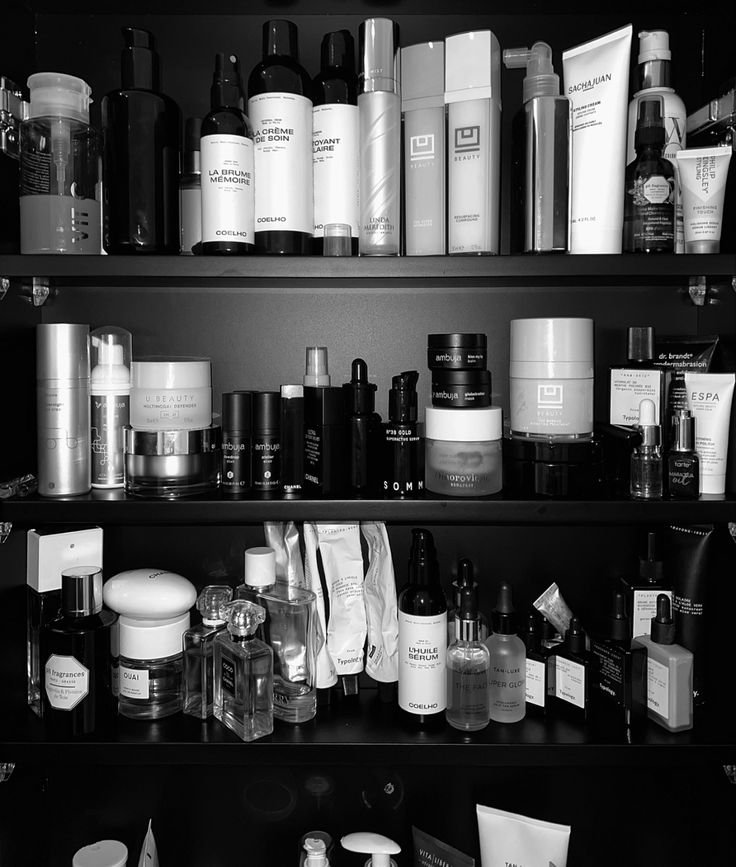
Beauty stores offer countless cleansers, toners, serums, creams, and masks. Beginners often assume that more products will give better results, but this is not necessarily true.
Start with the basics before adding specialised products.
Read the Ingredients List
Learn about a few common skincare ingredients:
Glycerin: Helps attract water to the skin and supports hydration.
Ceramides: Help support the skin’s protective barrier.
Hyaluronic acid: Helps attract and retain water, improving skin hydration.
Niacinamide: May help support the skin barrier and improve the appearance of uneven skin tone and excess oil for some people.
Salicylic acid: Can help unclog pores and may be useful for certain types of acne.
You do not need every ingredient. Select products based on your skin’s needs and introduce active ingredients carefully.
Avoid Buying Products Just Because They Are Trending
A product may be popular online without being suitable for your skin.
Before purchasing anything, ask yourself:
- What skin concern do I want to address?
- Is this product appropriate for my skin type?
- Does it contain ingredients that have irritated my skin before?
- Can I afford to use it consistently?
For example, if your main concern is dryness, a suitable moisturiser may be more useful than buying several products designed for acne.
Patch-Test New Products
Before using a new skincare product regularly, test it on a small area of skin according to the product instructions. Repeat testing over several days when appropriate.
Watch for redness, itching, swelling, or burning. A small-area test cannot guarantee that a product will never cause a reaction, but it can help identify some problems.
Stop using a product if it causes significant irritation. Seek medical help for a severe reaction.
5. Understand Exfoliation
Exfoliation removes dead cells from the skin’s surface or helps loosen the connections between them. It may improve rough texture, but too much exfoliation can damage the skin barrier.
Physical Exfoliation
Physical exfoliants use particles or tools to remove dead skin cells. Rough scrubs and aggressive brushing may irritate the skin, especially if you have acne or sensitivity.
Chemical Exfoliation
Chemical exfoliants include ingredients such as alpha hydroxy acids and beta hydroxy acids.
Examples include:
- Glycolic acid.
- Lactic acid.
- Salicylic acid.
These ingredients work differently and are not suitable for everyone.
How Often Should Beginners Exfoliate?
If you choose to exfoliate, start slowly with a product intended for your skin type and follow its instructions. Using it once a week may be a reasonable starting point for some products, but there is no single schedule for everyone.
Avoid using multiple exfoliating products together when you are first starting. Stop if your skin becomes irritated, painful, unusually dry, or persistently red.
Do not exfoliate broken, sunburned, or actively irritated skin.
6. Avoid Common Skincare Mistakes
Many beginners unknowingly develop habits that make their skin more irritated.
Washing Your Face Too Often
Washing excessively can remove protective oils and leave your skin dry or irritated. For many people, cleansing morning and night is sufficient, with adjustments for exercise, sweat, or individual needs.
Using Too Many Products at Once
Adding several new products simultaneously makes it difficult to identify what caused a reaction.
Introduce one new product at a time and give your skin time to adjust.
Skipping Moisturiser
Oily skin still needs hydration. Choose a lightweight product instead of skipping moisturiser completely.
Picking Pimples
Picking or squeezing pimples can increase inflammation and the risk of scarring or dark marks. Use appropriate acne products instead, and seek professional advice if acne is persistent or painful.
Expecting Instant Results
Most skincare products require consistent use over time. Some products may show benefits within weeks, while others can take longer.
Do not keep changing your entire routine every few days because you have not noticed an immediate difference.
Following Every Online Beauty Trend
Home remedies such as applying lemon juice, toothpaste, or baking soda to the face can cause irritation. Natural ingredients are not automatically safe for facial skin.
Choose products formulated for skincare rather than experimenting with harsh household ingredients.
7. Take Care of Your Skin from Within
Skincare products are only one part of healthy skin habits. Everyday choices also matter.
Eat a Balanced Diet
Include a variety of foods such as:
- Fruits and vegetables.
- Whole grains.
- Beans, lentils, eggs, or other protein sources.
- Nuts and seeds.
- Healthy sources of fats.
A balanced diet supports overall health. However, no single food can guarantee clear skin, and dietary changes do not replace appropriate acne treatment.
Drink Enough Water
Drink water regularly throughout the day. Your needs depend on your activity level, weather, and health.
Drinking enough water supports normal body function, but drinking excessive amounts will not automatically remove acne or erase wrinkles.
Get Enough Sleep
Regular, adequate sleep supports overall wellbeing and may help you maintain a consistent self-care routine.
Try to keep a regular sleep schedule and create a comfortable sleeping environment.
Manage Stress
Stress can worsen some skin conditions, including acne in certain people. Gentle exercise, relaxation, hobbies, and spending time with supportive people may help you manage stress.
If a skin condition affects your confidence or daily life, remember that it is not a personal failure. Professional support can help.
8. Learn Basic Makeup and Beauty Tips
Beauty care is not limited to skincare. Makeup can be a fun way to express your style, but you do not need expensive products to create a neat everyday look.
Prepare Your Skin Before Makeup
Cleanse your face, apply moisturiser, and use sunscreen during the day. Allow the products to settle before applying makeup.
If your makeup separates or looks flaky, your skin may need more hydration, or the products may not work well together.
Choose the Right Foundation Shade
Test foundation shades along your jawline in natural light when possible. The right shade should blend into your skin rather than looking noticeably lighter or darker.
Consider both the depth of your skin tone and its undertone.
Keep Your Makeup Tools Clean
Dirty makeup brushes and sponges can collect oil, product residue, and microorganisms.
Wash them regularly using an appropriate cleaner and let them dry completely. Avoid sharing mascara, eyeliner, or other eye makeup.
Replace products according to their expiry dates and instructions, especially products used around the eyes.
Remove Makeup Before Sleeping
Use a suitable remover and gentle cleanser. Avoid rubbing your eyes aggressively.
If you experience irritation, stop using the suspected product and allow the skin to recover.
9. Create a Skincare Routine on a Budget
You do not need an expensive beauty collection to care for your skin.
Buy Essential Products First
Prioritise:
- A gentle cleanser.
- A moisturiser suitable for your skin.
- A broad-spectrum sunscreen.
After using these consistently, you can consider additional products for specific concerns.
Compare Products Before Buying
Check the product’s ingredients, intended use, packaging, and suitability for your skin. A higher price does not automatically mean better results.
Avoid purchasing products just because influencers recommend them.
Finish Products Before Buying More
Using a product consistently helps you understand whether it suits your skin. Buying too many products can waste money and increase the risk of irritation.
Keep a simple record of the products you use and any changes you notice.
Example of a Budget Routine
Imagine a beginner has oily skin and a limited skincare budget. Instead of buying five serums, they start with a gentle cleanser, lightweight moisturiser, and sunscreen.
They use the products consistently and avoid harsh scrubs. If acne remains a concern, they can seek advice about adding an appropriate treatment.
This approach is usually easier to manage and helps identify what works.
10. Adjust Your Skincare Routine to the Weather
Your skin’s needs may change with the seasons and environment.
During Hot and Humid Weather
In hot or humid conditions, you may prefer lightweight moisturisers and gentle cleansing after sweating.
Continue using sunscreen and reapply it as directed. Sweat-resistant sunscreen can be useful for outdoor activities, but it still needs reapplication according to its label.
During Cold or Dry Weather
Cold air, wind, and indoor heating can make skin feel drier.
Consider using a richer moisturiser, avoiding hot showers, and applying moisturiser after bathing.
When Travelling
Travel can change your exposure to sunlight, humidity, and water.
Pack your essential skincare products and avoid introducing several new products during a trip. If you are travelling somewhere sunny, make sunscreen, protective clothing, and shade a priority.
11. Understand Acne and Dark Spots
Acne and dark spots are common concerns, but they require patience and appropriate care.
Caring for Acne-Prone Skin
Use a gentle cleanser and non-comedogenic moisturiser. Avoid scrubbing, picking pimples, or repeatedly changing products.
Some over-the-counter ingredients may help certain types of acne, but the best option depends on the type and severity of your acne.
If acne is painful, deep, persistent, or leaving scars, consult a dermatologist. Early treatment can help reduce the risk of lasting marks.
Caring for Dark Spots
Dark spots may develop after inflammation, including acne, or from sun exposure and other causes.
Sun protection is important because ultraviolet exposure can make some pigmentation problems worse. Certain skincare ingredients may help improve uneven skin tone, but results take time.
Avoid bleaching creams of uncertain origin and products that promise dramatic results in a few days. Some may contain harmful ingredients.
If a spot changes in size, shape, or colour, bleeds, or looks unusual, seek medical assessment rather than treating it only as a beauty concern.
12. Build Consistent Beauty Habits
A simple routine is easier to maintain than a complicated one.
Try these habits:
- Wash your face gently.
- Moisturise regularly.
- Apply sunscreen during the day.
- Remove makeup before sleeping.
- Keep makeup tools clean.
- Avoid touching or picking your face.
- Introduce new products gradually.
- Notice how your skin responds.
- Replace products that are expired or contaminated.
- Seek professional advice when a concern does not improve.
You can keep a skincare journal to record the products you use, how often you use them, and any changes in your skin. This can help you identify patterns without changing your routine unnecessarily.
Remember that pores, fine lines, freckles, and some texture are normal. Healthy skin does not have to look completely smooth or flawless.
13. A Simple Seven-Day Plan for Skincare Beginners
If you are unsure where to start, use the following plan to build your routine gradually.
Day 1: Understand Your Skin
Observe whether your skin feels oily, dry, combination, or sensitive. Write down your main concern.
Day 2: Choose a Gentle Cleanser
Select a cleanser suited to your skin type. Avoid harsh scrubs and strongly fragranced products if your skin is sensitive.
Day 3: Add Moisturiser
Choose a suitable moisturiser and use it consistently.
Day 4: Focus on Sun Protection
Choose a broad-spectrum SPF 30 or higher sunscreen and learn how to apply and reapply it correctly.
Day 5: Review Your Habits
Check whether you are cleansing too often, picking pimples, or using too many products.
Day 6: Organise Your Products
Check expiry dates and remove products that are expired or causing irritation.
Day 7: Review Your Routine
Look at your routine and make sure it is simple enough to maintain. You do not need to add a serum or exfoliant just because you have completed seven days.
This plan is about establishing basic habits, not expecting a dramatic skin transformation in one week.
14. When Should You See a Dermatologist?
Home skincare is useful for everyday care, but some problems need professional attention.
Consider consulting a dermatologist if you experience:
- Persistent or painful acne.
- Acne that leaves scars.
- Ongoing redness, itching, or burning.
- A rash that does not improve.
- Severe dryness, cracking, or bleeding.
- Dark spots that change or look unusual.
- A reaction that continues after stopping a product.
Seek urgent medical care if you experience facial or throat swelling, difficulty breathing, or another severe allergic reaction.
A dermatologist can help identify the cause of a skin problem and recommend suitable treatment. You do not need to try every product available before asking for help.
15. Tips for Beginners: How to Stay Consistent
One of the most useful tips for beginners is to focus on consistency instead of perfection.
You may see people online with elaborate skincare routines and expensive products. However, your routine should fit your own skin, budget, lifestyle, and needs.
Use these strategies to stay consistent:
- Keep your morning routine short.
- Store your daily products somewhere convenient.
- Set a reminder to apply sunscreen.
- Avoid comparing your skin with filtered photographs.
- Introduce products slowly.
- Take occasional photographs in similar lighting if you want to track changes.
- Give suitable products enough time to work.
- Ask a professional when you are unsure about a skin concern.
Skincare is personal. What works for a friend may not work for you, and that is completely normal.
Frequently Asked Questions (FAQs)
1. What is the best skincare routine for beginners?
A simple routine includes a gentle cleanser, moisturiser, and broad-spectrum sunscreen with SPF 30 or higher in the morning. At night, cleanse your skin and apply moisturiser. Add other products only when you understand your skin’s needs.
2. How can I identify my skin type at home?
Wash your face gently, pat it dry, and observe how it feels after around 30–60 minutes without applying products. Tightness may suggest dryness, widespread shine may suggest oiliness, and an oily T-zone with drier cheeks may suggest combination skin. This is only a rough guide.
3. Do beginners need expensive skincare products?
No. Affordable products can work well when they suit your skin and are used correctly. Focus on a cleanser, moisturiser, and sunscreen before spending money on specialised treatments.
4. How long does it take to see skincare results?
It depends on the product and the concern being treated. Hydration may improve relatively quickly, while acne and pigmentation treatments may require several weeks or longer. Follow the product instructions and seek professional advice if the problem persists or worsens.
5. Can I use natural ingredients on my face?
Not every natural ingredient is safe for facial skin. Lemon juice, baking soda, and toothpaste can cause irritation. Use products formulated for the face, patch-test new products, and stop using anything that causes a reaction.
Conclusion
Beauty and skincare do not need to be complicated. By understanding your skin type, choosing suitable products, protecting your skin from the sun, and maintaining consistent habits, you can build a routine that works for you.
These tips for beginners provide a practical starting point for anyone who wants to care for their skin without spending too much money or following every beauty trend.
Start with the basics, introduce new products carefully, and give your routine time to work. Remember that everyone’s skin is different, and healthy skin does not need to be perfect. With patience and the right approach, you can make skincare a simple and enjoyable part of your everyday life.
